The 3 Days Maasai Mara Safari Kenya – Witness Greatest Wildlife Show 2026–2027 is a classic short Kenyan wildlife adventure designed for travelers who want to experience the legendary open plains of the Maasai Mara National Reserve, search for Africa’s Big Five and, during the right season, witness part of the extraordinary Great Wildebeest Migration.
Starting and ending in Nairobi, this three-day safari travels through Kenya’s Great Rift Valley region toward Narok and onward into the wider Mara ecosystem, where open grasslands, riverine forests, seasonal streams and rolling savanna support one of East Africa’s richest concentrations of large mammals.
Narok County identifies the Maasai Mara National Reserve as covering approximately 1,510 square kilometres, with more than 400 recorded bird species and an exceptional concentration of large mammals and big cats. Wildlife includes lions, leopards, cheetahs, elephants, buffalo, rhinos, giraffes, zebras, wildebeest, hippos, hyenas and numerous antelope species. Narok County Government
The Mara also forms the northern part of the much larger Serengeti–Mara ecosystem shared between Kenya and Tanzania. The annual movement of wildebeest and zebras between the Serengeti and Maasai Mara creates one of the world’s best-known wildlife spectacles. Kenya’s official tourism information describes more than a million wildebeest participating in the wider migration cycle, although their exact position changes according to rainfall, fresh grazing and seasonal conditions. Magical Kenya Webmail
A practical three-day journey follows:
Nairobi → Great Rift Valley → Narok → Maasai Mara National Reserve → Full-Day Maasai Mara Safari → Morning Game Drive → Nairobi
The adventure develops naturally through:
Nairobi → Rift Valley landscapes → Mara savanna → big cats → Big Five possibilities → migration herds when seasonally present → Mara River ecosystem → sunrise wildlife → Nairobi.
For travelers visiting Kenya in 2026–2027, this safari is particularly suitable for those who have limited time but want to make the Maasai Mara the main focus of their trip.
Three days is one of the most popular short durations for exploring the Mara because it provides more than a simple overnight visit while remaining easy to combine with a longer Kenya or East Africa holiday.
A two-night itinerary can provide wildlife viewing across several different periods:
This matters because wildlife activity changes throughout the day.
A lion pride resting in the midday heat may be active early in the morning.
Elephants may move between feeding areas.
Cheetahs may use open terrain differently as temperatures change.
The same landscape can therefore produce completely different encounters only a few hours apart.
The Mara is particularly famous for:
Narok County’s current planning documents describe the ecosystem as having exceptionally high wildlife density and major populations of large mammals, while Kenya’s tourism information consistently highlights the Mara’s predator richness. Narok County Government
The traditional African Big Five are:
All five occur within the wider Mara ecosystem. Magical Kenya
However, no safari should guarantee that every species will be seen within three days.
Wildlife moves naturally across a large ecosystem.
During the broad migration season, enormous wildebeest and zebra herds may enter Kenya’s Maasai Mara from Tanzania’s Serengeti.
Narok County identifies July through September as a major peak period associated with the migration, while Kenya tourism information commonly describes the wider Mara migration period as extending approximately from July into October. Exact herd movements vary from year to year with rainfall and grazing conditions. Narok County Government
This distinction is important.
The Great Migration is not an event that starts at exactly the same place on the same date every year.
The Maasai Mara lies in southwestern Kenya and connects ecologically with Tanzania’s Serengeti.
The reserve covers approximately 1,510 square kilometres and forms part of a much larger ecosystem extending beyond its formal boundaries into surrounding conservancies and community lands. Narok County Government
The Mara’s open grasslands create excellent conditions for observing:
The openness of the terrain also contributes to the destination’s reputation for wildlife photography.
Vegetation becomes thicker around rivers and streams.
These habitats can support:
River environments support:
and become especially famous when migratory herds move through the wider Mara ecosystem. Magical Kenya
The Mara is not entirely flat.
Rolling grassland and distant higher ground can create dramatic wide-angle safari scenery.
The phrase Greatest Wildlife Show is most commonly associated with the Great Wildebeest Migration.
Each year, huge populations of wildebeest, accompanied by zebras and other herbivores, move through the Serengeti–Mara ecosystem while responding to rainfall and grazing conditions.
Kenya tourism information describes around 1.3 million wildebeest as part of the main migratory herds, while the Mara ecosystem also supports large resident wildlife populations throughout the year. Magical Kenya Webmail
It is not a single event.
The animals are continuously moving through different parts of the wider ecosystem.
Their route is influenced by:
For much of the year, major herd concentrations are farther south in Tanzania.
The Mara becomes particularly important during the northern phase of the cycle.
Travelers frequently imagine that visiting in July, August or September automatically means watching thousands of wildebeest cross the Mara River.
That is not realistic.
Crossing activity depends on:
A herd may remain near a riverbank for hours or days before moving.
Another herd may cross elsewhere.
The strongest migration safari therefore combines patience with realistic expectations.
Your 3 Days Maasai Mara Safari Kenya begins in Nairobi.
After an early breakfast at your hotel or agreed pickup point, meet your professional safari driver-guide and begin the road journey toward southwestern Kenya.
Day 1 combines transportation with your first wildlife experience.
Starting early helps protect more time for the afternoon game drive.
As you leave Kenya’s capital, dense urban surroundings gradually give way to more open landscapes.
The journey moves toward the Great Rift Valley region.
Depending on route and conditions, the landscape may include:
The journey itself introduces a very different side of Kenya from Nairobi.
The East African Rift system creates some of Kenya’s most dramatic geography.
On suitable routes and depending on visibility, travelers may experience elevated viewpoints across broad valley landscapes.
The scenery creates a natural transition between Nairobi and the lower wildlife areas farther west.
Continue toward Narok County, the administrative region containing the Maasai Mara.
Narok is strongly associated with Maasai culture, pastoral landscapes and wildlife tourism.
As you continue toward the Mara, the environment becomes increasingly rural.
Possible roadside scenery includes:
The journey gradually begins to feel like an approach into safari country.
Eventually, you reach the Maasai Mara area.
Depending on accommodation location and road conditions, enjoy lunch either before entering the reserve, at your camp or lodge, or according to the arranged safari schedule.
After check-in or entry formalities, prepare for the first game drive.
The transition can be immediate.
Open plains begin stretching toward the horizon.
Wildlife may appear even before reaching the main game-viewing areas.
Your first afternoon provides an introduction rather than an attempt to explore the entire reserve.
Possible wildlife includes:
Narok County lists wildebeest, rhino, buffalo, hippos, gazelles, zebras, warthogs, hyenas, giraffes, elephants, lions, leopards, cheetahs and eland among the wildlife of the Mara. Narok County Government
The Maasai Mara is particularly famous for lions.
Kenya’s tourism information describes lions as one of the most characteristic predators of the reserve’s open grasslands. Magical Kenya
Possible encounters include:
Lions spend much of the day resting.
Do not assume a quiet lion sighting is uninteresting.
Patient observation may reveal:
Safari quality often improves when travelers watch behavior instead of simply photographing an animal and immediately leaving.
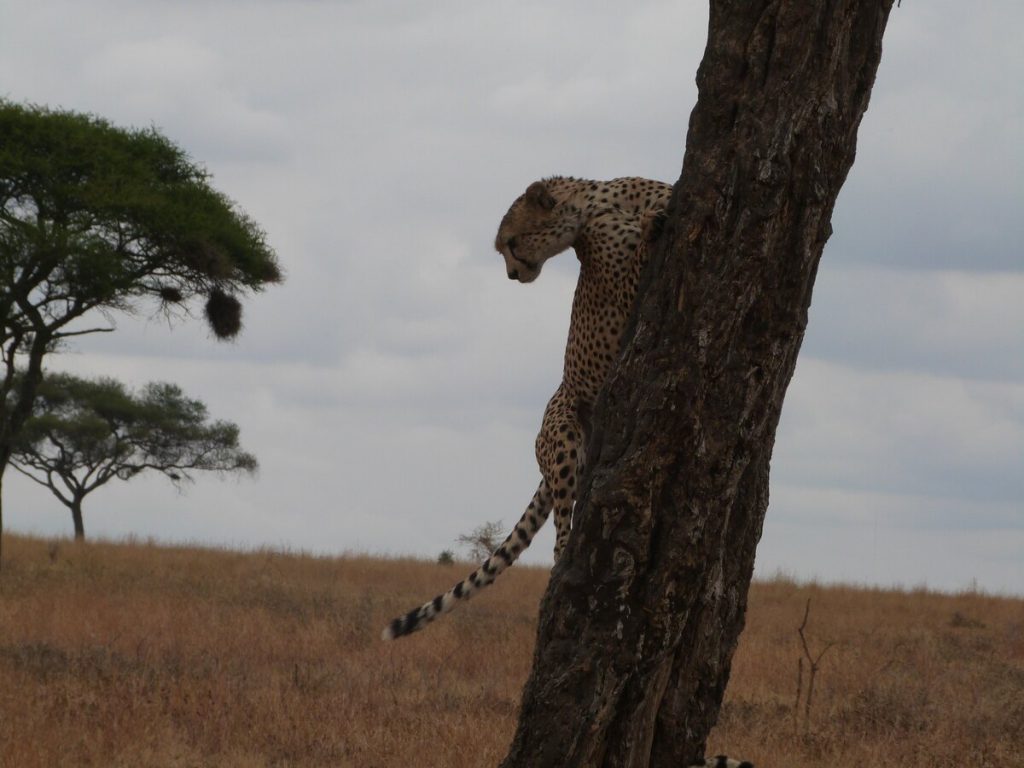
Open grassland makes the Mara important cheetah country.
Possible observations include:
Cheetahs rely heavily on visibility and open terrain.
Even so, sightings cannot be guaranteed.
Leopards are much more secretive.
They may use:
A leopard can remain hidden even when a vehicle passes relatively nearby.
Any leopard encounter should therefore be considered a special safari highlight.
Elephants are another important part of the Mara landscape.
Possible encounters may include:
Observing elephants in a wide grassland environment can produce excellent photographic opportunities.
Buffalo may occur in large groups.
Possible observations include:
Buffalo are one of the traditional Big Five.
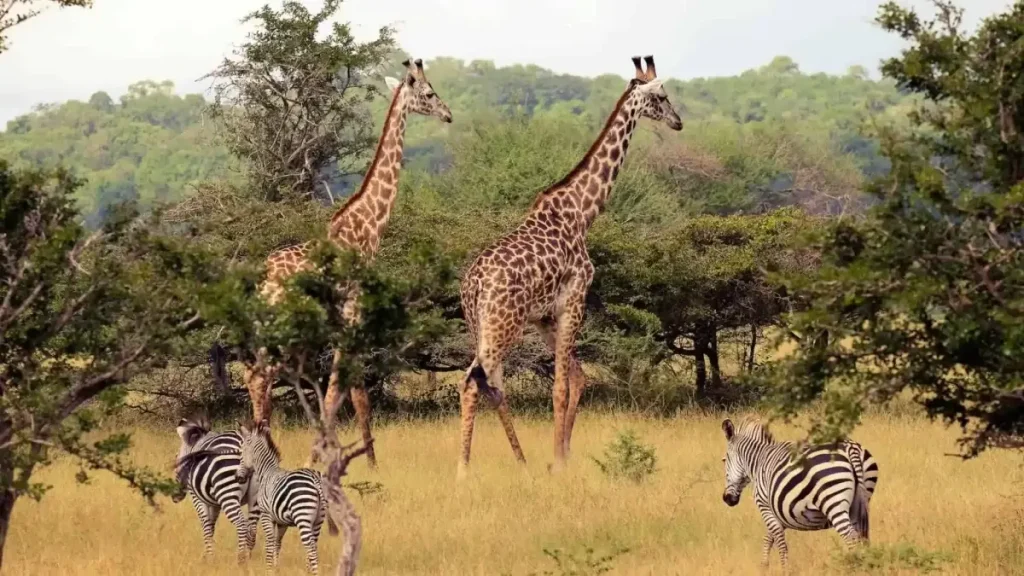
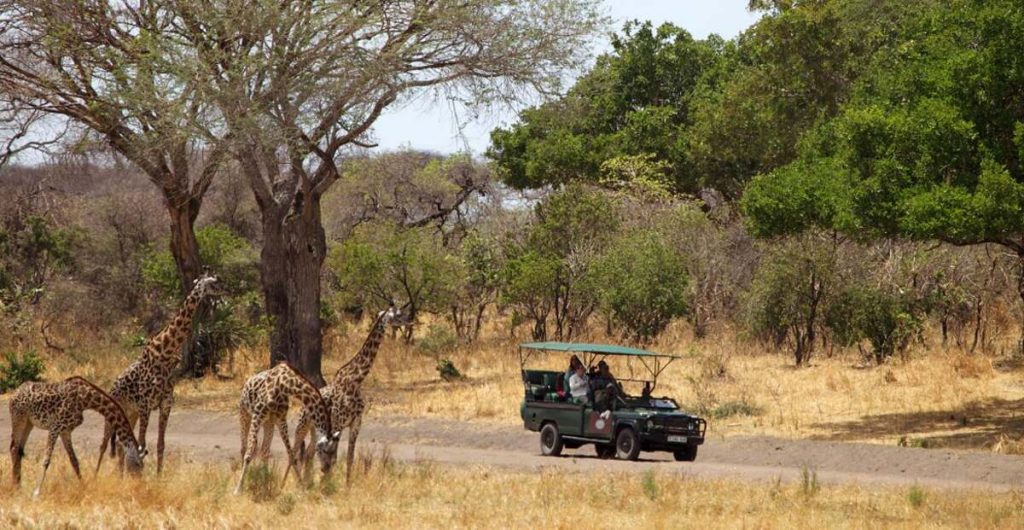
The Mara supports giraffes across suitable woodland and open environments.
Possible scenes include:
Their height makes them particularly effective subjects for landscape photography.
Resident wildebeest and zebra occur throughout the ecosystem, while their numbers can increase dramatically when the migratory herds are present.
Mixed grazing groups may also include:
These herbivores form the foundation of the wider predator-prey system.
Hyenas play an essential ecological role.
Possible observations include:
Hyenas are capable hunters as well as scavengers.
Understanding their behavior adds considerable depth to a Mara safari.
As the sun moves lower, the plains begin changing color.
Photography opportunities may include:
Your guide will manage the return according to reserve regulations and accommodation location.
Return to your lodge or tented camp.
Accommodation styles can range from:
For a short two-night safari, location is particularly important.
A strategically positioned camp can protect game-viewing time by reducing unnecessary transfers.
Enjoy dinner and rest.
The following day is dedicated almost completely to wildlife.
Overnight: Maasai Mara area
Main Experience: Nairobi journey, Great Rift Valley scenery and first Maasai Mara game drive
Wake early inside or near the Mara ecosystem.
Day 2 is the centerpiece of the entire safari.
Unlike Day 1 and Day 3, there is no long transfer back toward Nairobi.
The day can therefore focus almost entirely on wildlife.
The exact safari route should depend on:
Early morning is one of the strongest wildlife-viewing periods.
Kenya’s tourism information notes that early morning and late afternoon can be particularly productive because many animals reduce activity during the hotter middle of the day. Magical Kenya
Possible wildlife includes:
The day should remain flexible.
Safari animals do not follow tour schedules.
The full day provides the strongest opportunity to search for the traditional Big Five.
The Mara is one of Kenya’s best-known lion landscapes.
Possible experiences include:
Riverine environments may provide better leopard habitat.
However, this remains a naturally difficult animal to locate.
Elephant groups can appear across several habitat types.
Herds may occupy grassland and wetter habitats.
Rhinos occur within the Mara ecosystem, but sightings may be less frequent than lions, elephants or buffalo. Narok’s official planning documents identify black rhino as one of the ecosystem’s important threatened species.
Seeing all five in one day or one safari remains a possibility rather than a promise.
Even beyond the Big Five, many visitors consider the Mara a big-cat safari.
The most social of the three.
They often live in prides and can sometimes be observed for long periods.
Solitary and secretive.
Finding one usually requires careful searching.
Built for speed and closely associated with open grasslands.
The combination of these three species gives the Mara a particularly strong predator identity.
If your safari takes place during the migration season and the herds are within the Kenyan section of the ecosystem, Day 2 may become primarily focused on wildebeest and zebra movements.
Kenya’s tourism information describes approximately 1.3 million wildebeest participating in the wider migration, alongside large numbers of zebras and other grazing animals. Magical Kenya Webmail
Possible scenes may include:
However, exact migration locations cannot be predicted perfectly months in advance.
The Mara River is one of the most important geographical features of the ecosystem.
Its riverine environment supports wildlife including:
and may become the setting for famous migratory crossings when herd movements and conditions align. Magical Kenya
A river crossing cannot be scheduled like a normal tour activity.
Travelers should understand several possibilities.
You may arrive and find:
The strongest approach is patience.
The Great Migration should be experienced as an ecosystem-scale phenomenon rather than only as one dramatic river event.
The Maasai Mara remains an important safari destination even when the main migratory herds are not present.
Kenya’s official tourism information notes excellent year-round resident game, including elephants, buffalo, lions, leopards, cheetahs, giraffes, hippos, zebras and multiple antelope species. Magical Kenya
This means a safari outside the main migration period can still be highly rewarding.
The experience simply changes.
Gazelles are among the classic animals of the Mara plains.
Although smaller than elephants or buffalo, they are an essential component of the grassland ecosystem.
They can also become particularly relevant when searching for cheetahs and other predators.
Topi are distinctive antelope frequently associated with Mara grasslands.
They may be seen:
Their posture makes them particularly recognizable from a distance.
Eland are among Africa’s largest antelope.
They occur in the wider Mara environment and may be encountered in smaller groups.
The Mara and Talek river systems provide important hippo habitat.
Possible observations include:
Always follow guide instructions and maintain appropriate distance around river habitats.
Crocodiles inhabit the river system.
They may remain almost completely motionless for extended periods, making camouflage surprisingly effective.
During migration periods they are frequently associated with the famous Mara River landscape, but they remain part of the ecosystem outside crossing events as well.
The Mara is not only about mammals.
Narok County reports more than 400 bird species across the reserve and surrounding environment. Narok County Government
Possible birds include:
Birdlife can remain active even when large mammals are resting.
Predatory and scavenging birds are particularly important components of the Mara ecosystem.
Official Kenya wildlife information notes dozens of raptor species associated with the reserve. Magical Kenya
Possible observations may include:
They often provide clues about activity elsewhere in the landscape.
The midday arrangement depends on the chosen safari style.
A full-day game drive may use an approved picnic location.
Alternatively, some itineraries return toward the lodge for lunch before another afternoon safari.
The best choice depends on:
During migration-focused safaris, remaining out for the day can sometimes reduce unnecessary driving.
Continue exploring as temperatures begin falling.
The afternoon can produce new wildlife behavior.
A lion pride that spent the morning resting may begin becoming more alert.
Elephants may move toward different feeding areas.
Cheetahs may begin scanning open plains.
Giraffes and antelope may become particularly attractive in softer light.
The best safari days are not always those with the greatest number of different species.
Consider spending time watching:
One extended behavior observation can become more memorable than ten rushed sightings.
As the afternoon ends, the Mara can produce classic East African scenery.
Possible sunset compositions include:
Eventually, return to your accommodation according to reserve rules.
Enjoy dinner and your second night in the Mara.
Overnight: Maasai Mara area
Main Experience: Full-day wildlife safari, big cats, Big Five possibilities, birdlife and Great Migration opportunities when seasonally present
Wake early for the final safari morning.
One major advantage of spending two nights in the Mara is that Day 3 does not need to begin with immediate departure.
Instead, enjoy one final wildlife experience.
Morning light can transform the landscape.
The grass may appear cooler in color before becoming golden as sunlight strengthens.
Possible wildlife includes:
No two game drives are exactly the same.
Wildlife may have moved significantly overnight.
If one of the major predators remained elusive on the previous day, the final morning provides another opportunity.
Your guide may explore:
Possible targets include:
However, the game drive should not become a race.
The morning is also an opportunity to simply enjoy one final look across the Mara.
Possible final scenes may involve:
During migration season, substantial herd concentrations may still dominate the landscape.
At other times, resident wildlife becomes the main focus.
After the morning drive, return to your accommodation.
Enjoy breakfast and prepare for check-out.
Take time to appreciate the surroundings before beginning the road journey back toward Nairobi.
Depart the reserve or surrounding safari area and begin traveling through Narok County.
Open wildlife country gradually gives way to:
The transition makes the difference between Nairobi and the Mara particularly clear.
Continue toward the Great Rift Valley highlands.
Depending on route, visibility and timing, suitable viewpoints may provide a final landscape break before continuing to Nairobi.
Lunch can be arranged according to the selected safari program.
Continue toward Nairobi and transfer to your agreed location.
This may include:
Travelers with same-day onward transport should allow realistic time for traffic and road conditions.
Your 3 Days Maasai Mara Safari Kenya then comes to an end.
Main Experience: Sunrise Mara safari, final wildlife encounters and return journey to Nairobi
The Maasai Mara supports the traditional Big Five:
Each creates a different type of safari search.
Often among the strongest Big Five possibilities in the Mara.
Much more secretive and difficult to find.
May be encountered individually or in family groups.
Can occur in substantial herds.
Present within the wider ecosystem but typically encountered less frequently than several other large mammals.
Seeing all five within three days is possible but should never be guaranteed.
The Mara supports exceptionally strong predator populations.
Narok County reports that the reserve contains a significant share of Kenya’s big-cat population, while its extensive grasslands support abundant prey species. Narok County Government
Open grasslands provide excellent habitat.
Their speed and hunting style are particularly suited to open terrain.
Riverine woodland provides suitable cover.
Large herbivore populations support strong scavenger and predator communities.
The result is a safari destination where predator searches remain rewarding even outside migration season.
Travelers planning specifically for the migration should understand that dates are approximate rather than fixed.
Broadly, the Mara may receive major migratory herds during the middle and later part of the year.
Narok County identifies July–September as the main peak visitor period associated with the migration, while Kenya tourism information describes herd presence broadly into October. Narok County Government
Herds may begin entering the broader Mara ecosystem depending on rainfall and conditions.
Often associated with substantial herd concentrations and possible river activity.
Can remain an important Mara migration month.
Some herds may remain in the wider northern ecosystem before progressively moving south as conditions change.
Wildlife does not consult a calendar.
Rainfall can shift movements earlier or later.
For that reason, migration-focused travelers should remain flexible.
Yes.
The Mara’s resident wildlife is one of its greatest strengths.
Outside the main migration months, possible wildlife still includes:
Kenya’s tourism information specifically notes strong year-round game viewing beyond the seasonal migration. Magical Kenya
A non-migration safari may also appeal to travelers who value resident predator behavior rather than the seasonal herd spectacle.
There is no single best period for every traveler.
The best season depends on what you most want to experience.
This is the broad period most strongly associated with migratory herds in the Mara.
Possible advantages include:
The major disadvantage can be increased visitor pressure in popular areas.
The official Maasai Mara management plan specifically identifies congestion around river crossings, predators and Big Five sightings as a major conservation and visitor-management concern during busy periods. Narok County Government
Responsible operators should therefore avoid contributing unnecessarily to wildlife crowding.
These months can provide excellent resident wildlife and big-cat viewing.
Large migration concentrations are generally farther south in the Serengeti ecosystem, but Mara wildlife remains.
Rain can create:
Some roads may become more challenging depending on rainfall.
The landscape can become greener with seasonal rainfall.
Resident wildlife viewing remains possible.
The Mara safari experience extends far beyond five famous animals.
One of the reserve’s signature predators.
Important hunter and scavenger.
A classic feature of the plains and woodland.
Strongly associated with river habitats.
Present in the Mara River system.
Distinctive grassland antelope.
Among Africa’s largest antelope.
Small and fast, frequently encountered on open grasslands.
Another characteristic plains species.
Often seen grazing or moving quickly with tails raised.
Every species contributes to the wider ecosystem.
Narok County reports more than 400 bird species in the reserve and surrounding areas. Narok County Government
Birdwatchers may look for:
Binoculars improve the experience of:
Even travelers primarily interested in mammals should carry them.
Accommodation can significantly affect the quality of a short safari.
Suitable for travelers prioritizing:
Facilities are usually more basic.
Often provides:
Permanent lodges can provide:
Higher-end properties may emphasize:
A beautiful camp in an inconvenient location can increase daily transfers.
For only two nights, good positioning can be more valuable than unnecessary luxury.
Both arrangements can work.
The important considerations include:
Some surrounding conservancy areas operate under different tourism and activity regulations from the national reserve.
The exact choice should reflect the traveler’s priorities rather than assuming one option is automatically superior.
The safari can be arranged at a more affordable level by using:
A budget safari can still provide outstanding wildlife.
The lions, elephants and migration herds do not change according to hotel price.
Mid-range arrangements are popular because they balance:
This category works especially well for:
Luxury can include:
The most meaningful safari luxury is often:
time + space + guiding + positioning + privacy.
A more expensive room does not automatically produce better wildlife.
A private arrangement provides:
For wildlife photographers, the ability to decide how long to remain at a sighting can be particularly useful.
A shared safari can reduce per-person costs.
Travelers normally share:
This can work well for:
The main compromise is flexibility.
A two-night Mara safari can provide couples with:
A private safari can provide additional flexibility and privacy.
Families can enjoy the Mara, but itinerary design should consider:
A private vehicle can make it easier to adapt the pace.
Solo travelers can choose between:
Group travel can help reduce transportation costs while still providing access to the main reserve.
Few East African destinations are as strongly associated with wildlife photography.
Possible subjects include:
Look for:
Use:
When migratory animals are present, consider wide images showing the scale of the herd rather than focusing only on individual animals.
Strong photographs can come from:
The desire for a photograph should never justify disturbing wildlife.
The current reserve management plan specifically identifies wildlife crowding and inappropriate vehicle behavior as conservation challenges, particularly around predators, kills, Big Five sightings and migration river crossings. Narok County Government
Responsible viewing means:
A distant natural sighting is more valuable than an intrusive photograph.
The Mara region is also home to Maasai communities whose cultural history is deeply connected with the wider landscape.
The official Greater Maasai Mara management plan recognizes the Maasai people and their cultural practices as an important part of the ecosystem’s history and conservation landscape. Narok County Government
Travelers interested in a cultural visit should favor experiences that are:
A cultural encounter should not treat people as a tourist attraction.
It should focus on genuine learning and respectful exchange.
On a short three-day safari, a community experience should also be scheduled without sacrificing the main wildlife time unless it is an important priority for the traveler.
Bring:
Early mornings and evenings can feel surprisingly cool.
Bring:
Useful items include:
Bring:
Keep accessible:
A lightweight rain layer can be helpful during wetter periods.
Three days is enough for a strong short introduction, especially when the itinerary spends two nights in or around the Mara.
A longer safari provides more opportunity for:
Travelers whose primary purpose is wildlife photography may prefer four or more days.
A common short-safari mistake is trying to combine too many parks.
For example:
Nairobi → Lake Nakuru → Maasai Mara → Amboseli → Nairobi
would be unrealistic within only three days.
A stronger short itinerary keeps the Mara as the main destination.
This provides more actual wildlife time instead of turning the holiday into a series of long transfers.
Travelers with additional days can add Lake Nakuru National Park.
A longer route might follow:
Nairobi → Lake Nakuru → Maasai Mara → Nairobi
This provides a broader Kenyan safari without compressing either destination excessively.
Another longer journey could follow:
Nairobi → Maasai Mara → Amboseli → Nairobi
Amboseli introduces a very different ecosystem and iconic Mount Kilimanjaro views when weather conditions allow.
Additional days are essential because of the distance between the destinations.
The Maasai Mara and Serengeti are ecologically connected but belong to different countries.
A combined Kenya–Tanzania safari can follow:
Maasai Mara → Serengeti → Ngorongoro
or the reverse.
Because of border, vehicle and logistical arrangements, this should be planned as a longer East Africa safari rather than attempting it in three days.
Both belong to the same wider ecosystem but provide different safari experiences.
Known for:
Known for:
Neither destination needs to replace the other.
A longer East African journey can include both.
A classic East Africa holiday can become:
Kenya Safari → Zanzibar
The Maasai Mara provides:
Zanzibar provides:
This creates a strong wildlife-and-beach combination.
For travelers with limited time, the simplest journey is:
Nairobi → Maasai Mara → Nairobi
This keeps logistics straightforward.
A Nairobi stay before or after the safari can provide time for:
Is three days enough for a Maasai Mara safari? Yes. Three days and two nights can provide an afternoon game drive, a full wildlife day and another morning safari before returning to Nairobi. Travelers wanting more photography time or deeper exploration should consider adding additional nights.
What is the best 3-day Maasai Mara itinerary? A practical route is Nairobi to Maasai Mara with an afternoon game drive on Day 1, a full-day safari on Day 2 and a final morning game drive followed by the return to Nairobi on Day 3.
Where does the safari start? The standard itinerary starts in Nairobi from a hotel or another agreed pickup location.
Where does the safari finish? The safari normally returns to Nairobi on Day 3.
How large is the Maasai Mara National Reserve? Narok County records the reserve at approximately 1,510 square kilometres. Narok County Government
What animals can I see in the Maasai Mara? Possible wildlife includes lions, leopards, cheetahs, elephants, buffalo, rhinos, giraffes, wildebeest, zebras, hippos, crocodiles, hyenas, topi, gazelles, eland and many other species. Narok County Government
Does the Maasai Mara have the Big Five? Yes. Lion, leopard, elephant, buffalo and rhino occur within the Maasai Mara ecosystem. Magical Kenya
Can I see all Big Five in three days? It is possible, but it cannot be guaranteed. Some animals, particularly leopard and rhino, may be more difficult to locate.
Is the Maasai Mara good for lions? Yes. The Mara is one of Kenya’s most important big-cat landscapes and is particularly famous for lion viewing. Magical Kenya
Can I see cheetahs? Yes. Cheetahs occur in the Mara and use its open grasslands, although sightings depend on natural wildlife movement.
Can I see leopards? Yes, but leopards are secretive and can be difficult to find. Riverine woodland and denser vegetation may provide suitable habitat.
Can I see elephants? Yes. Elephants are resident within the Mara ecosystem and may be seen across different habitats.
Can I see rhinos? Rhinos occur within the wider Mara ecosystem, but sightings should not be guaranteed. The Greater Maasai Mara management plan identifies black rhino as an important conservation species.
When is the Great Migration in the Maasai Mara? Broadly, major migration activity is associated with approximately July through October, although Narok County identifies July–September as the main peak season. Exact timing varies with rainfall and grazing conditions. Narok County Government
Are Mara River crossings guaranteed during migration season? No. Herds move naturally and crossing locations and timing cannot be predicted precisely.
Can I see the Great Migration in June? Migratory animals may begin moving toward the northern ecosystem around this period, but their exact location varies from year to year.
Is August good for the Maasai Mara? August commonly falls within the major migration period and is a popular month for Mara safaris, although specific river crossings or herd locations cannot be guaranteed.
Is September good for the Maasai Mara? Yes. Narok County identifies September within the peak migration tourism period. Narok County Government
Is October good for the Maasai Mara? October can still provide migration-related opportunities in some years, although movements increasingly depend on rainfall and grazing conditions. Kenya tourism information includes October within the broader Mara migration period. Magical Kenya Webmail
Is the Maasai Mara worth visiting outside migration season? Yes. Resident lions, leopards, cheetahs, elephants, buffalo, giraffes, hippos and many other species remain in the ecosystem throughout the year. Magical Kenya
How many bird species are found in the Maasai Mara? Narok County reports more than 400 bird species across the reserve and surrounding environment. Narok County Government
Can I see hippos? Yes. The Mara and Talek river systems provide hippo habitat. Magical Kenya
Can I see crocodiles? Yes. Crocodiles occur within the Mara River system. Magical Kenya
Is the Maasai Mara suitable for families? Yes. Families can select private transportation and accommodation according to children’s ages and preferred comfort level.
Is the safari suitable for couples? Yes. A private two-night Mara safari can provide couples with multiple game drives while remaining short enough to combine with other destinations.
Can solo travelers join a safari? Yes. Group-joining options may be available, while private safaris can also be arranged.
Can the safari be arranged on a budget? Yes. Budget tented camps and shared arrangements can reduce costs while keeping the Maasai Mara as the main destination.
Can I choose a mid-range safari? Yes. Mid-range tented camps are popular because they combine comfort with a strong safari atmosphere.
Can the safari be arranged as luxury? Yes. Luxury tented camps, premium lodges and private arrangements can be selected according to availability.
Is a private safari better for photography? A private vehicle generally provides more flexibility over how long you remain at particular sightings, which can be valuable for photography.
Can I visit a Maasai community? Community-led cultural experiences can be incorporated into some Mara itineraries. They should be arranged respectfully and should contribute meaningfully to the participating community.
Is wildlife guaranteed? No. All wildlife moves naturally, so exact species, behaviors and locations cannot be guaranteed.
What should I pack? Lightweight safari clothing, comfortable shoes, sun protection, a warm morning layer, binoculars, camera equipment, personal medication and travel documents are useful.
Do I need binoculars? Yes. They are valuable for birds, distant predators, rhinos and river wildlife.
Can I combine Maasai Mara with Serengeti? Yes, but additional days and international safari logistics are required because the two destinations lie in Kenya and Tanzania respectively.
Can I combine Maasai Mara with Zanzibar? Yes. A Kenya wildlife safari followed by a Zanzibar beach holiday creates a popular East Africa safari-and-beach combination.
Is 2026–2027 a good time to visit the Maasai Mara? The Mara remains a major year-round wildlife destination. The specific experience depends more on the season and your wildlife priorities than simply the year.
The strength of this itinerary comes from giving one outstanding wildlife destination enough time rather than trying to visit several distant Kenyan parks.
Day 1 becomes:
Nairobi → Great Rift Valley → Narok → Maasai Mara → first big-cat safari.
Day 2 becomes:
Full Maasai Mara → lions → cheetahs → elephants → Big Five possibilities → migration herds when seasonally present → Mara River.
Day 3 becomes:
Sunrise Mara safari → final wildlife encounters → Nairobi.
This gives travelers several opportunities to see the Mara under different light and wildlife conditions.
The result is not simply a three-day drive.
It becomes a focused journey into one of East Africa’s most important wildlife ecosystems.
Before confirming your safari, consider:
If the Great Migration is your main reason for traveling, choose dates with realistic seasonal expectations and remember that no operator can guarantee the exact day or location of a Mara River crossing.
If your main priorities are:
the Mara can remain highly rewarding outside the peak migration season because of its substantial resident wildlife populations.
The 3 Days Maasai Mara Safari Kenya – Witness Greatest Wildlife Show 2026–2027 offers a compact journey from Kenya’s capital into one of Africa’s most celebrated wildlife landscapes.
Your adventure begins in Nairobi.
Leave the city behind and travel through the changing landscapes of the Great Rift Valley toward Narok.
Eventually, open grassland begins stretching toward the horizon.
You have reached the Maasai Mara.
Your first afternoon may introduce lions resting in the grass, elephant families moving across the plains, giraffes feeding beside scattered trees, buffalo herds, zebras, gazelles, hyenas and perhaps cheetahs or leopards.
The following morning belongs completely to the Mara.
Search for big cats across the plains.
Explore riverine environments.
Watch hippos and crocodiles around the river system.
Look for elephants, buffalo and rhinos.
During the migration season, huge wildebeest and zebra herds may transform the landscape and, when natural conditions align, the Mara River may become part of one of East Africa’s most famous wildlife spectacles.
Spend a second night surrounded by the Mara ecosystem.
Then wake early for one final game drive.
The morning light creates another chance for predators, elephants, grazing herds and spectacular East African landscapes before you begin the return journey toward Nairobi.
The complete adventure follows:
Nairobi → Great Rift Valley → Narok → Maasai Mara National Reserve → Full Maasai Mara Safari → Morning Maasai Mara Safari → Nairobi
For 2026–2027, the safari can be customized according to:
Share your preferred travel dates, number of travelers and accommodation category to begin planning your Kenya wildlife adventure.
Choose between budget, mid-range or luxury accommodation, private or shared transportation and migration-focused or general wildlife safari arrangements according to your travel priorities.
Travel from Nairobi into the rolling savannas of the Maasai Mara, search for lions, leopards, cheetahs, elephants, buffalo and rhinos, and during the right season experience the enormous migratory herds that connect Kenya’s Mara with Tanzania’s Serengeti on an unforgettable three-day East African safari.
No results available
ResetNo results available
ResetTanzania is a year-round safari destination with many adventures being offered all over the country. For optimal wildlife sightings, the dry season from June to October is your best bet! Read more on when to visit Tanzania
Both have their perks with Big Five national parks, the incredible Great Migration and that quintessential African experience we all dream of. Check out our article on Serengeti vs Masai Mara to help you decide.
They both have such different safari experiences! Tanzania offers Big Five game reserves on classic dusty desert plains, rather South Africa partners the Big Five animals with luscious winelands. Both are just as good, but it depends on your safari style.
That’s a tough one! Botswana is home to herds of elephants at Chobe and the sparkling Okavango Delta, and Tanzania has the iconic Mount Kilimanjaro and Great Migration. Check out our article on Botswana vs Tanzania safaris to help you decide.
Tanzania is in general a safe, hassle-free country. However, like most places, you do need to take precautions and listen to your tour guide. It also pays to read our articles on ‘Things to know before going to Tanzania’.
A camera and binoculars are a must. You’ll regret it if you don’t take them! As for clothing, definitely pack lightweight, breathable clothing. Remember, Tanzania is an arid country so the days can get quite hot. Read more on what to pack for a safari in Tanzania in our travel magazine
EXPERIENCES
BEST TOURS
copyright©2026 . Enjore Safaris